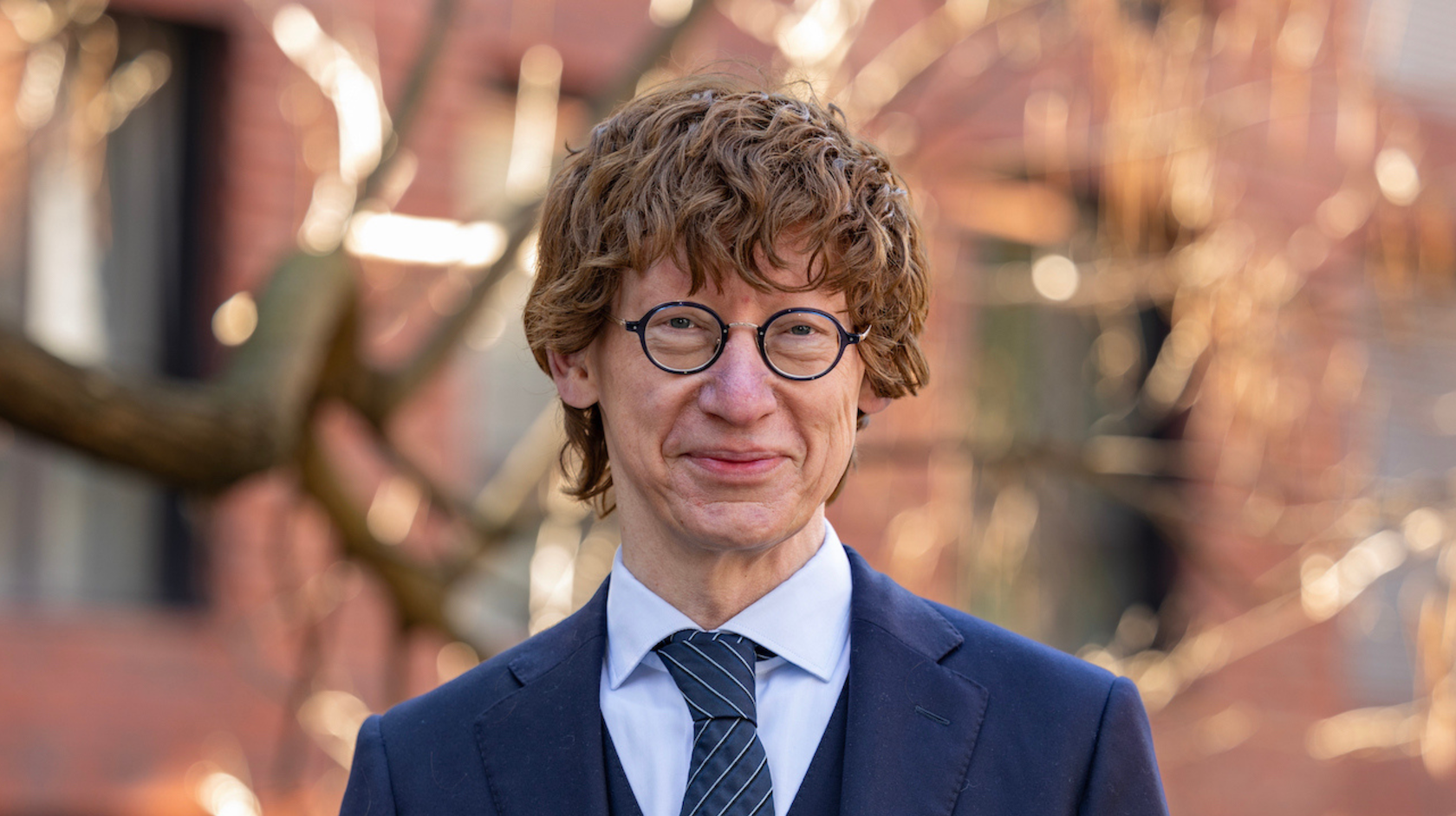
Study: "Precious Metals for Long-Term Wealth Accumulation"

A financial scientific analysis
January 2026
Prof. Thorsten Hens and Alvin Amstein (MA, Student Assistant) from the UZH Department of Finance have developed a comprehensive financial analysis on the topic of “Precious Metals for Long-Term Wealth Accumulation”.
Summary of the study
Precious metals are metals with particularly high durability. They are characterized by a very low tendency toward corrosion and oxidation – in other words, they rarely rust and only decompose under extreme conditions. This exceptional stability has long made precious metals symbols of value, trust, and permanence. Among the most important are gold, silver, and platinum.
- Gold has a tradition spanning several thousand years as a store of value, and for many decades the financial system of Western economies was anchored in gold. Even today, central banks continue to hold large reserves of gold to protect themselves against crises.
- Silver, like gold, played a central role in the monetary system for centuries. In recent decades, however, its importance has increasingly shifted toward that of a strategically important industrial metal, particularly for the ecological transition, for example in solar cells, electronics, and other future technologies.
- Platinum, by contrast, today has almost exclusively industrial relevance. Its value arises primarily from applications such as catalytic converters, fuel cells, and other high-tech processes, rather than from monetary or jewelry-related functions.
This study concludes that precious metals, particularly gold, play an important role in long-term wealth accumulation.
Compared to equities, they are not the primary driver of portfolio returns. However, they should partly be sold during times of crisis in order to restore the equity allocation in the optimal portfolio, thereby supporting stronger long-term wealth growth.
Within the group of precious metals, gold has by far the greatest importance. Platinum is not included in any of the portfolios. Silver only appears in the scenario where the portfolio has been regularly rebalanced from 1972 to the present. In that case, the precious metals allocation consists of one third silver and two thirds gold.
We would like to thank...
... Bank von Roll for their patience and the financial support of this study. In addition, Anran Zhu (bachelor's thesis) and conclusions from the Value Intelligence Conference (October 2024) provided us with valuable input.
More information:
Study: "Edelmetalle für den langfristigen Vermögensaufbau" (PDF, 1 MB) (German only)
Photo source: Bank von Roll